Timid Posture: What It Says About You and How to Stand With Confidence
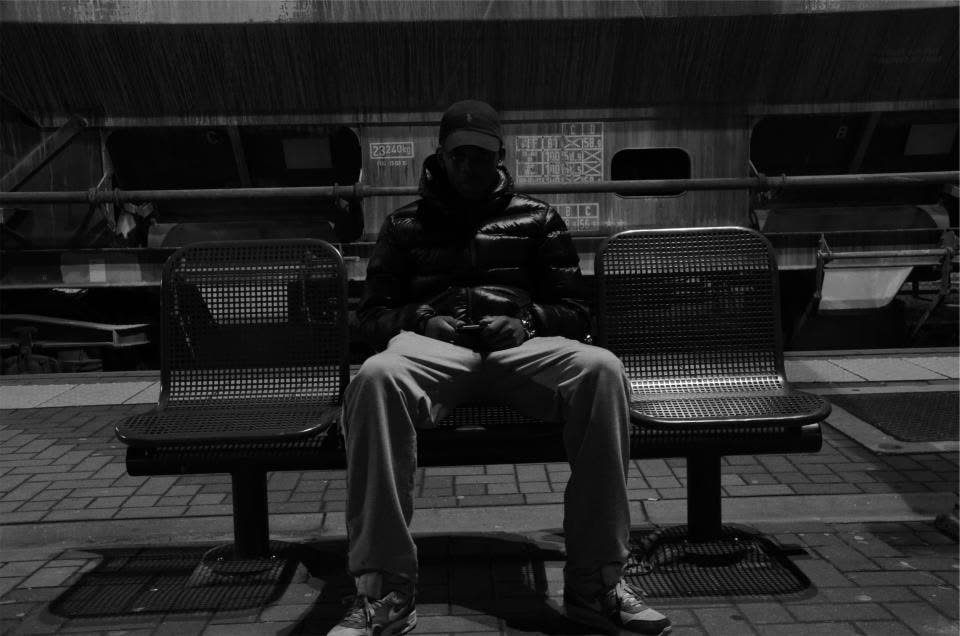
Before you say a single word, your body has already started the conversation. The way you stand, sit and move tells people how you feel about yourself and about them. For shy people, that message is often one of quiet apology: shoulders rounded, head lowered, arms folded, body angled towards the door.
This is what we call a timid posture. It is completely understandable, because it grows out of the instinct to protect yourself when you feel watched. But it also has a cost. It can make you look less approachable than you really are, and it can feed the very nerves that created it.
The encouraging part is that posture is one of the easiest confidence skills to change. This guide explains what a timid posture looks like, why it develops, what it communicates to others, and how to stand, sit and walk with quiet, natural confidence.
Key Takeaways
- A timid posture is the body’s way of making itself smaller and less noticeable when it feels unsafe.
- Common signs include rounded shoulders, a lowered head, crossed arms and weight shifted backwards.
- Others can read timid posture as nervousness, low confidence or even disinterest.
- Posture and mood influence each other, so changing how you stand can help you feel steadier.
- Small, repeated adjustments work far better than trying to force a “power pose” all day.
What Is a Timid Posture?
A timid posture is any way of holding your body that is designed, consciously or not, to take up less space and draw less attention. It is a protective shape. When animals feel threatened by a larger or more dominant animal, they often lower their bodies, tuck in their limbs and avoid eye contact. Humans do something very similar in social situations that feel threatening.
For shy people, those “threats” are usually ordinary moments: walking into a room full of strangers, speaking in a meeting, waiting at a bus stop or standing at the edge of a party. The body reacts as if it needs to hide, even when the mind knows there is no real danger. Our article on the psychology behind shyness and fear explains why this ancient reaction still switches on today.
10 Signs of a Timid Posture
You may recognise several of these in yourself. Most people with a timid posture show a cluster of them.
- Rounded or hunched shoulders that pull forward and inward, as if protecting the chest.
- A lowered head and downward gaze, often looking at the floor or a phone.
- Crossed arms held tightly across the body.
- Hands hidden in pockets, behind the back or tucked into sleeves.
- Weight shifted backwards onto the heels, as if ready to step away.
- Feet pointed towards the exit rather than towards the people you are talking to.
- Narrow stance with feet close together or legs crossed while standing.
- Holding objects in front of you, such as a bag, folder or drink, like a small shield.
- Shrinking in chairs: sitting on the edge, legs tucked under, elbows pressed in.
- Small, fast movements and a quick walk that seems to say “I’m not really here”.
None of these is wrong on its own. Everyone crosses their arms sometimes, and some people simply find it comfortable. It is the overall pattern, and the feeling behind it, that makes a posture timid. If you want to understand the wider set of nervous signals, our guide to the signs someone is shy covers them in detail.
What Your Posture Says to Other People
People constantly read each other’s body language, mostly without realising it. Unfortunately, they are not always accurate. Here is how a timid posture is commonly interpreted, compared with what is usually going on inside.
| What they see | What they may assume | What is often true |
|---|---|---|
| Crossed arms | Defensive, closed off | Feeling exposed, seeking comfort |
| Looking down | Not interested, unfriendly | Nervous, avoiding scrutiny |
| Body angled away | Wants to leave | Feeling unsafe in the middle of the space |
| Hunched shoulders | Low confidence, unhappy | Tense, protecting yourself |
| Quick, small movements | Rushed, uncomfortable | Wanting to avoid attention |
This gap between appearance and reality is one of the most frustrating parts of shyness. You may be warm, curious and keen to connect, but your posture says “please leave me alone”. Changing your posture helps close that gap, so people can see who you really are. The good news is that most people notice far less than you think. Psychologists call this the spotlight effect, and it means small changes go a long way.
Does Posture Affect How You Feel?
Posture does not just send a message to others. It also sends one back to you. When you slump, breathing becomes shallower, your field of vision narrows and your body stays in a slightly defensive state. When you sit or stand upright and open, breathing deepens and many people report feeling a little more alert and steady.
You may have heard of “power posing”, the idea that standing like a superhero for two minutes changes your hormones and transforms your confidence. Later research has not supported the dramatic claims about hormones, so be wary of anything that promises instant results. But many studies do suggest that upright, open posture can modestly improve how people feel about themselves and reduce the sense of threat. Think of good posture as a helpful nudge rather than a magic switch.
The real benefit comes from repetition. Each time you hold a more open posture during a mildly stressful moment and nothing bad happens, your brain learns that the situation is safer than it thought. That is the same principle that underpins gradual exposure, which you can read about in our guide to the exposure hierarchy for social anxiety.
How to Stand With Confidence
Confident posture is not about puffing out your chest or looking dominant. It is about looking relaxed, grounded and open. Try these steps the next time you are standing in a queue or waiting for a friend.
- Plant your feet about hip-width apart. Spread your weight evenly between both feet so you feel stable and grounded.
- Soften your knees. Locked knees create tension. Keep a tiny bend.
- Imagine a string lifting the top of your head. This lengthens your spine without making you rigid.
- Let your shoulders drop and roll slightly back. Breathe out as you do it.
- Keep your chin level. Not raised and not tucked, just parallel to the floor.
- Let your arms hang naturally or rest one hand loosely on a bag strap. Avoid tightly crossing them.
- Point your feet and torso towards the people you are talking to.
It will feel strange at first, because your body is used to its protective shape. That feeling of strangeness is normal and fades with practice.
How to Sit With Confidence
Many conversations happen sitting down: in classrooms, meetings, interviews, cafes and dates. A few small adjustments make a big difference.
- Sit back in the chair rather than perching on the edge, with your back supported.
- Keep both feet on the floor or cross your legs loosely, not twisted around each other.
- Rest your hands on the table or your lap, visible and relaxed.
- Lean in slightly when someone is speaking to show interest.
- Take up a normal amount of space. Put your bag on the floor, not clutched on your knees.
For more detail, our guide to confident body language while sitting covers meetings, dates and interviews step by step.

How to Walk With Confidence
Walking is where timid posture often shows most clearly: head down, fast steps, eyes on the phone. Try these changes on your next walk to the shop or office.
- Slow down by about ten percent. Unhurried movement signals calm.
- Look ahead, not down. Aim your gaze at eye level about ten metres in front.
- Let your arms swing naturally rather than holding them stiffly.
- Walk into rooms rather than slipping in. Pause briefly at the doorway, take a breath, then walk to where you want to be.
A 7-Day Posture Practice Plan
Changing a lifelong habit takes repetition. This simple plan builds new posture gradually.
- Day 1: Notice your posture three times today. Do not change anything yet, just observe.
- Day 2: Practise the standing steps for one minute in front of a mirror.
- Day 3: Use open standing posture in a low-pressure place, such as a queue.
- Day 4: Sit back in your chair with your hands visible during one conversation.
- Day 5: Walk slowly with your eyes ahead for your whole commute or walk.
- Day 6: Hold open posture while talking to one person you know well.
- Day 7: Combine everything during one slightly more challenging situation, such as asking a shop assistant a question.
Pair the plan with a calming technique, such as these breathing exercises for social anxiety, so your body learns to relax in the new position.
Common Mistakes When Changing Your Posture
- Overcorrecting. Pulling your shoulders right back and sticking your chest out looks stiff and can feel worse. Aim for relaxed, not military.
- Trying to fix everything at once. Pick one change at a time.
- Forgetting to breathe. Tense posture often comes with held breath. Exhale as you adjust.
- Judging yourself harshly. You will slip back into old habits. Simply notice and adjust, without criticism. Our article on self-compassion for shy people explains why kindness works better than self-criticism.
Practise posture and conversation together. ShyMind’s guided tools and AI Coach help you rehearse real situations privately, so your new body language has something to practise on. Start free.
Keep Reading
- Body language tips for shy people
- How to make eye contact when shy
- First impression tips for shy people
Frequently Asked Questions
What does a timid posture look like?
A timid posture usually includes rounded shoulders, a lowered head, crossed arms, hidden hands, weight shifted backwards and a body angled away from others. It is a way of taking up less space and avoiding attention.
Can bad posture be caused by shyness?
Yes. Shyness and social anxiety often lead people to adopt protective, closed postures. Over time these can become habits that persist even when you are not feeling nervous.
Does improving posture really make you more confident?
It can help. Upright, open posture tends to make people feel a little more alert and steady, and it changes how others respond to you. The biggest gains come from practising it regularly in real situations.
How long does it take to fix a timid posture?
Most people notice a difference within a few weeks of daily practice. Lasting change usually takes a couple of months, because you are replacing a long-standing habit.
Is crossing your arms always a sign of nerves?
No. People cross their arms when they are cold, comfortable or concentrating. It only signals nerves when it comes with other protective signs, such as looking down and turning away.
Stand Like You Belong There
A timid posture is not a flaw. It is your body trying to keep you safe. But you do not need that protection in every queue, classroom and conversation. With small, steady adjustments, you can let your body show the warm, capable person you already are.
Ready to build confidence from the outside in? Create your free ShyMind account to practise with the AI Coach, explore guided confidence tools and take the free shyness test.