Meditation for Social Anxiety: 6 Practices That Calm Your Mind Around People
Social anxiety lives in two places: the future (“What if I say something stupid?”) and the past (“Why did I say that?”). Meditation trains your attention to come back to the present, where you can actually respond to what’s happening. That’s why meditation for social anxiety has become a popular tool, and why many therapists include mindfulness practices alongside other approaches.
You don’t need to sit cross-legged for an hour or empty your mind. This guide covers six simple practices, what the research says, and exactly how to use meditation before, during and after social situations.
Key Takeaways
- Meditation for social anxiety trains you to notice anxious thoughts without getting swept away by them.
- Short, regular practice (5 to 10 minutes a day) is more useful than occasional long sessions.
- Different practices help at different moments: before, during and after social events.
- Meditation works best alongside real-world practice, not as a replacement for it.
How Meditation Helps Social Anxiety
Social anxiety is kept going by a few mental habits: anticipating the worst, monitoring yourself intensely during conversations, and replaying interactions afterward. Meditation targets all three.
- It weakens anticipatory worry. By practicing returning to the present, you spend less time rehearsing imagined disasters.
- It reduces self-focus. Anxiety pulls attention inward. Mindfulness trains you to widen your attention to your surroundings and the people you’re with.
- It creates distance from thoughts. You learn to see “They think I’m boring” as a thought passing through, not a fact.
- It calms the body. Slow breathing and relaxed attention help settle the fight-or-flight response.
Research supports this. Studies of mindfulness-based programs, such as Mindfulness-Based Stress Reduction (MBSR), have found reductions in anxiety symptoms, including in people with social anxiety. The National Center for Complementary and Integrative Health summarizes the current evidence on meditation’s effectiveness and safety. The overall picture is encouraging, with an important caveat: meditation is a helpful support, not a cure on its own.
6 Meditation Practices for Social Anxiety
1. Breath Awareness (5 Minutes)
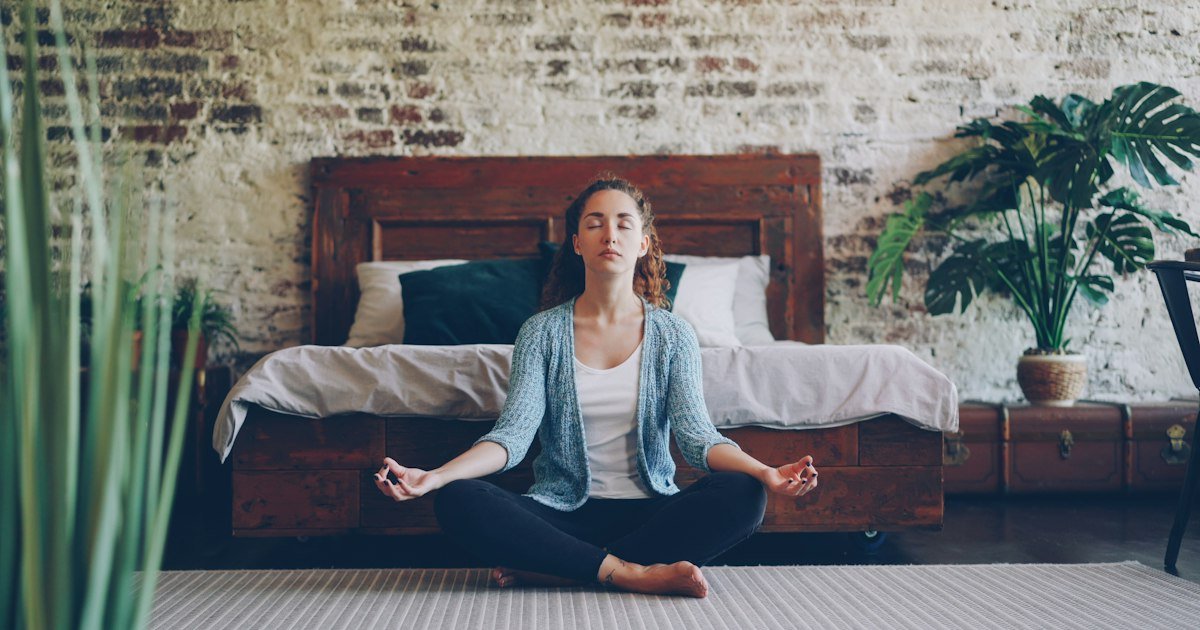
This is the foundation. Sit comfortably, close your eyes or lower your gaze, and simply notice your breath moving in and out. When your mind wanders to a worry, which it will, gently notice where it went and bring it back to the breath. Each return is a repetition, like lifting a weight.
Best for: building the basic skill of returning to the present. Do it daily, even when you feel fine.
2. The Body Scan (10 Minutes)
Move your attention slowly from your toes to the top of your head, noticing sensations in each area without trying to change them. When you notice tension, like tight shoulders or a clenched jaw, simply observe it and let it soften if it wants to.
Best for: learning where anxiety shows up in your body, so you can recognize it early in social situations. It pairs well with our grounding techniques for social anxiety.
3. Noting Thoughts (5 to 10 Minutes)
As you sit, label thoughts as they arise with a single word: “worrying,” “planning,” “judging,” “remembering.” You don’t argue with them or follow them, you just name them and return to the breath.
Best for: creating distance from anxious predictions. Over time, you start noticing “Oh, that’s a worrying thought” in real conversations too, which makes it much easier to let go of. If you’d like to go further with challenging thoughts, see our guide to cognitive distortions in social anxiety.
4. Loving-Kindness Meditation (10 Minutes)
Silently repeat kind wishes, first toward yourself, then toward someone you love, a neutral person, and eventually people in general. For example: “May I be safe. May I be at ease. May I be kind to myself.”
Best for: softening the harsh self-criticism that often comes with social anxiety, and helping other people feel less like judges and more like fellow humans. It complements our guide to self-compassion for shy people.
5. Open Awareness (5 to 10 Minutes)
Instead of focusing on the breath, let your attention rest on whatever is present: sounds, sensations, sights, thoughts. Notice them come and go without grabbing on to any of them.
Best for: practicing an outward, wide attention. This is the opposite of the narrow self-monitoring that happens when you’re anxious in company.
6. The One-Minute Pause (Anywhere)
Take three slow breaths, feel your feet on the floor, and notice three things you can hear. That’s it. You can do it in a bathroom before a meeting, on the walk to a party, or even while someone else is talking.
Best for: using mindfulness in real situations, when there’s no time for a full practice.
Practice calm, then practice people. ShyMind’s AI Social Simulator lets you rehearse realistic conversations in private, so you can try staying present and grounded before the real thing. Start free.
How to Use Meditation Before, During and After Social Events
Before
In the hour before a social event, anxiety often peaks. Try a five-minute breath awareness session, followed by a short loving-kindness practice directed at the people you’re about to meet. It sounds simple, but wishing someone well before you meet them changes how you see them: less as an audience, more as people.
During
Use the one-minute pause. Feel your feet on the floor while listening. Notice the color of the room or the sound of voices. Each time you catch yourself monitoring how you look or sound, gently redirect your attention to the person in front of you. This is where meditation meets active listening.
After
Instead of replaying the conversation, sit for five minutes and note the thoughts that arise: “replaying,” “judging,” “worrying.” Let them pass. Then finish with a few kind phrases toward yourself. If the replay is intense, our guide on how to stop overthinking, overthinking everything: 9 ways to stop, has more strategies.
Common Obstacles (and What to Do)
- “My mind won’t stop racing.” That’s normal. Meditation isn’t about a quiet mind; it’s about noticing the noise and returning, again and again.
- “Focusing on my body makes me more anxious.” Some people with anxiety find body-focused practices uncomfortable at first. Start with open awareness or sounds instead, and keep sessions short.
- “I don’t have time.” Start with two minutes a day. Consistency matters more than length.
- “I forget to do it.” Link it to an existing habit, like after brushing your teeth or before opening your laptop. A morning routine for shy people is a great place to fit it in.
Meditation Is a Support, Not a Substitute
Meditation can lower baseline anxiety and help you stay present, but it doesn’t replace gently facing the situations you fear. The most effective approach usually combines calming skills with gradual exposure, as described in our guide to building an exposure hierarchy for social anxiety.
If you have a history of trauma, or if meditation brings up distressing memories or feelings, it’s wise to practice with guidance from a qualified professional. And if social anxiety is significantly affecting your life, please consider speaking to a doctor or therapist. Our article on when shyness becomes a serious problem can help you decide.
A Sample 7-Day Meditation Plan
If you’re new to meditation for social anxiety, structure helps. Here’s a gentle first week:
- Day 1: Five minutes of breath awareness.
- Day 2: Five minutes of breath awareness, plus one one-minute pause during the day.
- Day 3: A ten-minute body scan.
- Day 4: Five minutes of noting thoughts.
- Day 5: Ten minutes of loving-kindness meditation.
- Day 6: Five minutes of open awareness, then a one-minute pause before a social moment.
- Day 7: Choose your favorite practice and do it for ten minutes.
At the end of the week, notice which practice felt most helpful and make it your daily anchor. Keep a quick note of your anxiety level before and after each session. Many people find that after a few weeks, meditation for social anxiety becomes something they look forward to rather than another task.
Keep Reading
Frequently Asked Questions
Does meditation really help social anxiety?
Research suggests mindfulness-based approaches can reduce anxiety symptoms, including social anxiety, especially when practiced regularly. It works best as part of a wider plan that includes gradually facing feared situations.
How long should I meditate for social anxiety?
Five to ten minutes a day is a great start. Regular short sessions tend to be more helpful than occasional long ones, and you can add one-minute pauses throughout the day.
What is the best type of meditation for social anxiety?
There’s no single best type. Breath awareness builds the core skill, noting helps with anxious thoughts, and loving-kindness softens self-criticism. Try each for a week and keep what helps you most.
Can meditation make anxiety worse?
Occasionally, focusing inward can temporarily increase anxiety, especially at first. If that happens, try shorter sessions, open-eyed practice or focusing on external sounds, and consider guidance from a professional.
A Calmer Mind, a Braver You
Meditation won’t make you a different person, but it can make the moments before, during and after social situations feel far more manageable. With a few minutes of practice each day, you give yourself a steady place to stand when anxiety rises.
Want calming tools and real practice in one place? Create your free ShyMind account, or talk things through with our AI coach any time.