When Is Shyness a Problem? 9 Signs It’s Time to Get Support
Shyness is one of the most common human experiences. Plenty of people feel nervous meeting strangers, blush when they’re the center of attention or need time to warm up in groups, and still live full, happy lives. So when is shyness a problem? The short answer: when it causes significant distress or consistently stops you from doing things that matter to you. This guide explains the difference between ordinary shyness and social anxiety disorder, nine signs it may be time to get support, and what help actually looks like.
Key Takeaways
- Shyness is a normal temperament; it becomes a problem when it causes major distress or limits your life.
- Social anxiety disorder involves intense, persistent fear of judgment and significant avoidance.
- Warning signs include avoiding work, school or relationships, and dreading situations for days or weeks.
- Social anxiety is common and very treatable, and asking for help is a sign of strength.
Shyness vs Social Anxiety Disorder
Shyness and social anxiety sit on a spectrum. At one end is everyday shyness: some nervousness in unfamiliar social situations that usually eases as you warm up. At the other end is social anxiety disorder, a recognized mental health condition in which fear of being judged, embarrassed or humiliated is intense, persistent and disruptive.
A few key differences:
- Intensity. Shyness feels uncomfortable. Social anxiety can feel overwhelming, with panic-like symptoms.
- Duration. Shy nerves usually settle once you’re in a situation. Social anxiety often involves days or weeks of dread beforehand and long periods of replaying afterward.
- Avoidance. Shy people may feel nervous but still go. People with social anxiety disorder often avoid situations entirely, even important ones.
- Impact. Shyness is a trait you live with. Social anxiety disorder significantly interferes with work, education, relationships or daily life.
Social anxiety disorder is more common than many people think. According to the National Institute of Mental Health, an estimated 7.1 percent of U.S. adults had social anxiety disorder in the past year, and around 12 percent experience it at some point in their lives. For a deeper comparison, read our guide to social anxiety vs shyness.
9 Signs Shyness May Have Become a Problem
1. You Avoid Important Things
Turning down a party now and then is normal. Regularly avoiding job interviews, classes, medical appointments, promotions or family events because of fear is a sign that anxiety is making important decisions for you.
2. Dread Starts Days or Weeks Ahead
If you spend days or even weeks worrying about an upcoming social event, losing sleep or feeling sick at the thought of it, the anxiety is likely more than ordinary shyness.
3. Everyday Tasks Feel Impossible
Struggling to make phone calls, order food, ask for help in a shop or eat in front of others can indicate social anxiety. Our guides to phone anxiety and social anxiety in everyday situations cover these in detail.
4. Strong Physical Symptoms
A racing heart, trembling, sweating, nausea, dizziness or feeling like your mind goes completely blank in social situations can all be signs of significant anxiety, especially if they happen often.
5. Intense Fear of Being Judged
Constantly worrying that people will think you’re stupid, boring, weird or incompetent, even in low-stakes situations, suggests fear of judgment has grown very strong. Our guide to overcoming fear of judgment from others can help.
6. Painful Replaying Afterward
Going over conversations for hours or days, focusing on every perceived mistake, is common in social anxiety and can be exhausting. See our guide on how to stop overthinking.
7. Your Work or Studies Are Affected
If fear stops you from speaking in meetings, participating in class, applying for jobs or taking opportunities, it’s affecting your future in ways that are worth addressing.
8. You Feel Lonely or Isolated
Wanting friendships or a relationship but feeling unable to pursue them because of fear is a painful place to be. Isolation can also lead to low mood over time.
9. You Rely on Alcohol or Other Crutches
Needing a drink to cope with social situations, or relying heavily on other substances or safety behaviors, is a sign that anxiety is in charge. Our guide to safety behaviors in social anxiety explains why these crutches can keep fear going.
Not sure where you stand? Start with ShyMind’s free shyness test for a quick snapshot. Your free account also includes well-known questionnaires like the GAD-7 anxiety scale. They’re screening tools, not diagnoses, but they’re a helpful starting point, and our guide to anxiety and well-being self-assessments explains how to read your results.
Shyness in Children and Teenagers
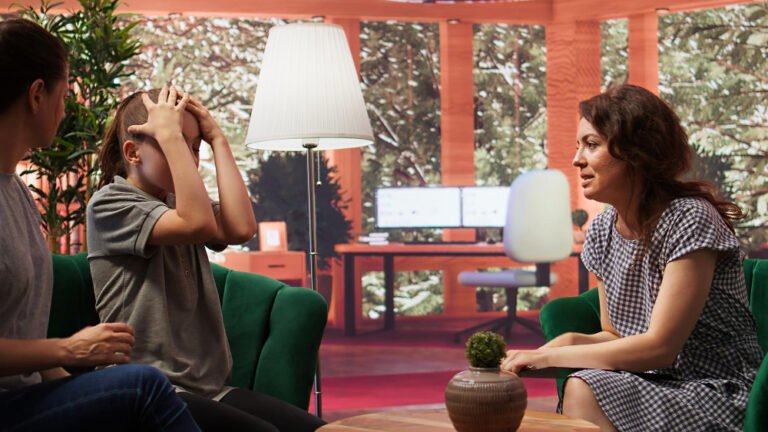
Many children are shy and grow more comfortable with time and gentle support. Signs that a child’s shyness may need extra attention include refusing to go to school, being unable to speak in certain settings despite speaking normally at home (which can be a sign of selective mutism), intense distress at social events or shyness that is getting worse rather than better. Our guides on how to help a shy child and for the shy teenager offer practical support, and a pediatrician or school counselor is a good first contact.
Other Conditions That Can Look Like Shyness
Sometimes what looks like shyness is connected to other experiences, such as depression, generalized anxiety, autism, past trauma or avoidant personality patterns. Only a qualified professional can assess this properly. If your experience doesn’t quite fit the descriptions here, that’s another good reason to speak to someone.
What Getting Help Looks Like
The good news is that social anxiety is one of the most treatable mental health conditions. Common, effective options include:
- Cognitive behavioral therapy (CBT). The most researched treatment for social anxiety. It helps you challenge anxious thoughts and gradually face feared situations. Our guide to CBT for shyness explains how it works.
- Guided self-help. Structured books, courses or programs based on CBT principles.
- Medication. Some people benefit from medication prescribed by a doctor, often alongside therapy.
- Coaching and skills practice. Useful for specific goals, especially alongside therapy for more severe anxiety. Our guide to choosing a therapist or coach for shyness can help you decide.
A good first step is talking to your doctor, who can assess what’s going on and refer you to appropriate support. The NHS guide to social anxiety and the Mayo Clinic’s overview of social anxiety disorder are both clear, trustworthy resources.
If You’re Struggling Right Now
If anxiety is making you feel hopeless, or you’re having thoughts of harming yourself, please reach out for support immediately. Contact your local emergency services, speak to a doctor, or in the United States call or text 988, the Suicide and Crisis Lifeline. You don’t have to handle this alone.
A Quick Self-Check
If you’re still wondering when is shyness a problem in your own life, try answering these questions honestly over the past six months:
- Have I avoided something important, like work, study, medical care or family events, because of social fear?
- Do I dread social situations for days or weeks beforehand?
- Do I often feel physically unwell with anxiety around people?
- Do I replay conversations for hours or days afterward?
- Do I feel lonely or stuck because fear stops me from connecting?
If you answered yes to two or more, it’s worth talking to a doctor or mental health professional. This isn’t a diagnosis, but it’s a sign that support could make a real difference. And if you answered no to most, that’s useful information too: you may simply be a shy person who can keep building confidence with self-help and practice.
Either way, knowing when is shyness a problem for you personally means you can choose the right kind of help, rather than struggling on alone or worrying without answers.
Keep Reading
- Embracing your shyness
- Meditation for social anxiety
- From shy to confident: real transformation stories
Frequently Asked Questions
Is being shy a mental illness?
No. Shyness is a normal personality trait. It becomes a concern only when fear is intense, persistent and interferes with daily life, which may indicate social anxiety disorder.
When is shyness a problem in adults?
When it causes significant distress or consistently stops you from doing things you need or want to do, such as working, studying, making friends, dating or attending appointments.
How do I know if I have social anxiety or I’m just shy?
Consider the intensity, duration and impact. If fear lasts for months, leads you to avoid important situations and significantly affects your life, it may be social anxiety disorder. A doctor or mental health professional can assess this properly.
Can social anxiety be cured?
Social anxiety is very treatable. Many people experience major improvement with CBT, guided self-help or medication, and learn skills that help them manage anxiety for life.
Help Is a Strength, Not a Failure
Recognizing that shyness has become a problem isn’t a sign that something is wrong with you. It’s a sign that you’re paying attention to your life and what you want from it. Whether your next step is self-help, a conversation with a doctor or working with a therapist, change is very possible.
If you’d like support alongside professional help, create your free ShyMind account for self-assessments, practical tools and access to verified experts.