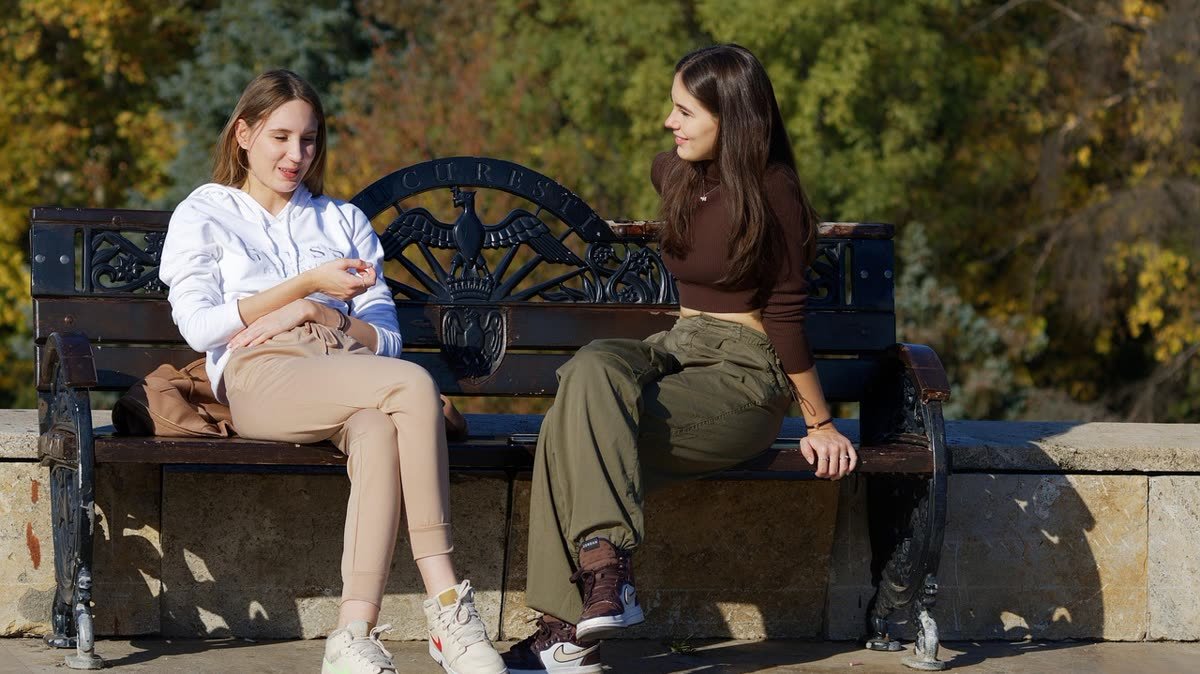
How to Talk to a Shy Person: 12 Tips to Help Them Open Up
You meet someone new and the conversation feels like pushing a boulder uphill. They give short answers, avoid eye contact and seem keen to be anywhere else. It is tempting to conclude they are not interested, or that you have done something wrong. But often, the person is simply shy, and they would love the conversation to go well as much as you would.
Knowing how to talk to a shy person is a valuable skill. It helps you connect with quieter colleagues, classmates, new friends, partners and family members, and it can make a huge difference to how comfortable they feel. Shy people often become loyal, thoughtful friends once they feel safe.
This guide shares 12 practical tips for helping a shy person open up, a list of good questions to ask, common mistakes to avoid and advice for specific situations such as work and dating.
Key Takeaways
- Shy people usually want to connect but feel anxious about being judged.
- Lowering pressure is the most important thing you can do.
- Easy, specific questions work far better than broad or personal ones.
- Comfortable pauses and side-by-side activities help shy people relax.
- Patience and consistency matter more than any single conversation.
Understanding Shyness First
Shyness is a mix of interest in others and nervousness about how they will react. When a shy person feels watched or evaluated, their body may respond with blushing, a racing heart or a blank mind. Short answers, avoided eye contact and fidgeting are signs of nerves, not rudeness. Our guide to the signs someone is shy explains these signals in detail.
It also helps to remember that shyness is not the same as introversion. Introverts prefer quieter settings and need time alone to recharge, but they may be perfectly comfortable talking. Shy people may love company but feel anxious with unfamiliar people. Our article on shy vs introverted explains the difference.
12 Tips for Talking to a Shy Person
1. Start somewhere quiet
Shy people usually find it easier to talk one-on-one or in small groups. If you can, chat away from a noisy crowd, in a corner of the room, on a walk or over a coffee.
2. Introduce yourself warmly
A friendly smile and a simple introduction, such as “Hi, I’m Sam. I don’t think we’ve met yet”, sets a relaxed tone. Use their name once you know it.
3. Share something first
Offering a small piece of information about yourself gives them a model to follow. “I’ve just started here and I’m still learning everyone’s names” invites them to share their own experience.
4. Ask easy, specific questions
Broad questions such as “Tell me about yourself” can feel overwhelming. Specific, easy questions are much easier to answer: “How do you know the host?” or “What are you reading at the moment?”
5. Ask open questions, but not too deep
Open questions, which cannot be answered with yes or no, encourage longer answers. Keep them light at first: “What do you enjoy doing at weekends?” rather than “What are your biggest fears?”
6. Talk about their interests
Shy people often light up when talking about something they love. Listen for clues, such as a band T-shirt, a book or a mention of a hobby, and ask about it.

7. Be comfortable with pauses
Do not rush to fill every silence. A relaxed pause gives a shy person time to think and shows there is no performance going on. Our guide on how to handle awkward silences explains why short pauses are perfectly normal.
8. Listen fully
Give them your full attention. Nod, react and ask follow-up questions based on what they said. Feeling truly heard is one of the fastest ways for a shy person to relax. Our article on active listening skills has more ideas.
9. Talk side by side
Doing something together, such as walking, cooking, playing a game or working on a project, takes pressure off eye contact and makes conversation feel more natural.
10. Never comment on their shyness
Phrases like “Why are you so quiet?” or “You’re blushing!” make shy people more self-conscious. Treat them exactly as you would anyone else.
11. Do not put them on the spot
Avoid asking them to speak in front of a group or share opinions publicly before they are ready. If you are in a group, gently include them with an easy question rather than a sudden spotlight.
12. Be patient and consistent
Shy people often need several conversations before they feel comfortable. Keep showing up, keep being kind and let them open up at their own pace.
25 Good Questions to Ask a Shy Person
Easy starters:
- How do you know [host or mutual friend]?
- Have you been here before?
- How has your week been?
- Did you do anything good at the weekend?
- What are you working on at the moment?
Interests and hobbies:
- What do you like to do when you have free time?
- Have you read or watched anything good recently?
- What kind of music do you listen to?
- Have you got any trips planned?
- What got you into that hobby?
Light opinions:
- What’s the best place to eat around here?
- Are you a morning or night person?
- What’s something you’d love to learn?
- Would you rather go to the beach or the mountains?
- What’s the best thing you’ve eaten recently?
A little deeper (once they are comfortable):
- What’s something you’re looking forward to?
- What do you enjoy most about your job or studies?
- Who has influenced you most?
- What’s something people might not know about you?
- What’s been the highlight of your year so far?
Follow-ups that work with almost anything:
- How did that happen?
- What was that like?
- What did you enjoy most about it?
- Would you do it again?
- How did you get into that?

What Shy People Wish Others Knew
If you asked a room full of shy people what they would like others to understand, you would probably hear many of the same things:
- “I’m not being rude. I’m nervous.” Short answers and avoided eye contact are usually signs of anxiety, not dislike.
- “I do want to be invited.” Shy people may decline sometimes, but they still appreciate being asked. Keep inviting them.
- “I need a little more time to answer.” A pause does not mean they have nothing to say.
- “I’m much more relaxed one-on-one.” Groups can be overwhelming, even with people they like.
- “Please don’t make my shyness the topic.” Being told you are quiet makes it harder to speak.
- “Once I’m comfortable, you’ll see the real me.” Many shy people are funny, warm and talkative with people they trust.
Keeping these in mind changes how you interpret a quiet first meeting. Instead of thinking “they don’t like me”, you can think “they don’t know me yet”, which is far more likely to be true.
Common Mistakes to Avoid
| Mistake | Why it backfires | Try instead |
|---|---|---|
| Firing questions rapidly | Feels like an interrogation | Share something between questions |
| Talking non-stop to fill silence | Leaves no space for them | Pause and invite their view |
| Pointing out their quietness | Increases self-consciousness | Act naturally |
| Asking very personal questions early | Feels intrusive | Start light, go deeper gradually |
| Giving up after one conversation | Shy people warm up slowly | Try again another day |
Talking to a Shy Person in Different Situations
At work
Include quieter colleagues by asking for their opinion in one-on-one chats, sending agendas in advance so they can prepare, and inviting written contributions. Our guide on small talk with coworkers has topics that work well.
On a date
Choose a relaxed setting such as a walk or coffee rather than a loud bar. Share your own nerves to make them feel less alone. Our article on dating a shy person gives detailed advice, and our list of first date conversation topics can keep things flowing.
With a shy child or teenager
Get down to their level, talk while doing an activity together and avoid labelling them as “shy” in front of others. Our guides on how to help a shy child and our shy teenager guide have more ideas.
If You Are Shy Too
Two shy people talking can feel like a game of conversational tennis where nobody serves. If you are both quiet, take the lead with an easy question, share a little about yourself and remember that the other person is probably relieved you spoke first. Our guide on starting conversations with confidence can help.
Practise conversations privately. ShyMind’s AI Coach can play a quiet, shy conversation partner so you can practise drawing someone out, or help you build your own confidence. Try it free.
Keep Reading
Frequently Asked Questions
How do you get a shy person to talk?
Create a calm, one-on-one setting, share a little about yourself first, ask easy and specific questions about their interests, listen fully and be comfortable with pauses.
What should you not say to a shy person?
Avoid pointing out their shyness, for example “Why are you so quiet?” or “You’re blushing!”, and avoid putting them on the spot in front of a group.
Do shy people like being talked to?
Many shy people appreciate it when others start conversations, because it removes the hardest step. They simply need the conversation to feel low-pressure and kind.
How long does it take for a shy person to open up?
It varies, but shy people often need several relaxed conversations before they feel fully comfortable. Patience and consistency make a big difference.
How can I tell if a shy person wants to talk to me?
Look for signs such as staying nearby, answering your questions, asking you something back and becoming slightly more relaxed over time. These suggest they are interested even if they seem quiet.
A Little Patience Goes a Long Way
Shy people often have rich inner worlds, thoughtful opinions and a great sense of humour. They just need a little more safety before they share them. By lowering pressure, asking easy questions and giving them time, you can help a shy person feel comfortable, and you may gain a wonderful friend in the process.
Want to improve your own conversation skills? Create your free ShyMind account to practise with the AI Coach and take the free shyness test.