15 Best Sports for Introverts and Shy People (Solo, Small Group and Social)
If you are shy or introverted, the word “sport” might bring back memories of being picked last in PE, shouted at by a coach or overwhelmed by a noisy changing room. It is easy to conclude that sport just is not for people like you.
But exercise is one of the most powerful tools for mental health. It reduces anxiety, lifts mood, improves sleep and builds a quiet kind of confidence that spills into other areas of life. And the right sport can also become a gentle, low-pressure way to meet people.
The key is finding activities that suit your temperament. This guide lists the 15 best sports for introverts and shy people, grouped into solo, small-group and social options, along with tips for getting started without feeling overwhelmed.
Key Takeaways
- Introverts often enjoy sports that allow focus, rhythm, personal progress and time in their own head.
- Solo sports are a great starting point for building fitness and confidence without social pressure.
- Small-group and partner sports offer connection without the intensity of large team settings.
- Social sports can become an excellent way to make friends once you feel ready.
- The best sport for you is the one you enjoy enough to keep doing.
What Makes a Sport Good for Introverts?
Introverts recharge through quieter, less stimulating environments, while shy people feel nervous around unfamiliar people or being watched. Not every introvert is shy and not every shy person is an introvert, as our article on shy vs introverted explains. But many people in both groups appreciate sports that offer:
- Control over social contact, so you can choose when to interact.
- Focus and flow, where you can lose yourself in a rhythm or skill.
- Personal progress rather than constant competition against others.
- Calm environments, such as nature, water or quiet gyms.
- Low performance pressure, with fewer spectators and less shouting.
Solo Sports: Exercise on Your Own Terms
1. Running
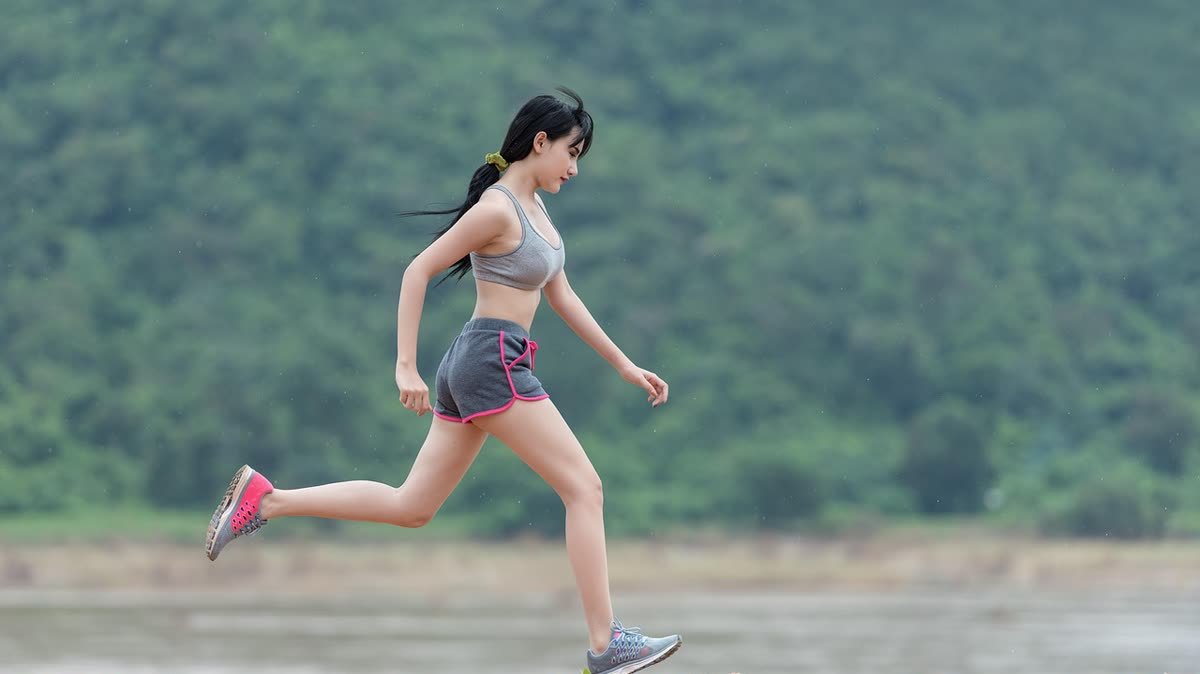
Running is simple, cheap and flexible. You can run alone with your thoughts, a podcast or music, choose quiet routes and progress at your own pace. Many introverts describe running as moving meditation. Beginner programmes take you from walking to running in a few weeks. Later, if you want company, running clubs and parkrun-style events offer a friendly, low-pressure social side.
2. Swimming
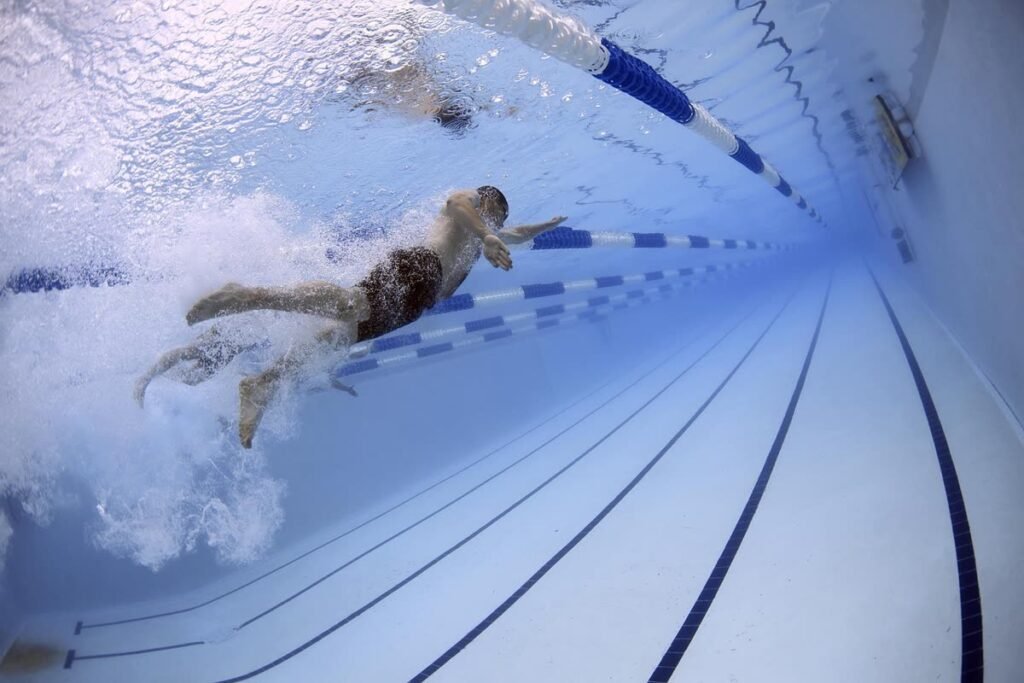
The water muffles noise and shuts out distractions, which many introverts find deeply calming. Swimming lengths has a meditative rhythm, works the whole body and is gentle on joints. Choose quieter times at your local pool, such as early mornings or late evenings, if busy sessions feel overwhelming.
3. Cycling
Whether on quiet country roads, city cycle paths or an indoor bike, cycling lets you explore, build fitness and enjoy solitude. It is also practical: cycling to work or the shops builds exercise into daily life. Cycling clubs and group rides are available if you later want company.
4. Hiking and hill walking
Time in nature is restorative for almost everyone, and particularly for introverts. Hiking combines gentle exercise, fresh air, beautiful scenery and plenty of time to think. You can hike alone on well-marked trails or join walking groups, where conversation tends to be relaxed and easy.
5. Yoga
Yoga combines movement, breathing and mindfulness. It can be practised at home with online videos, which removes any social pressure, or in small classes where the focus is on your own mat rather than other people. Yoga also helps with the physical tension that often comes with anxiety. Our article on relaxation techniques for social anxiety explains why this matters.
6. Strength training
Weightlifting and resistance training are highly individual. You follow your own programme, track your own progress and need very little interaction with others. If the gym feels intimidating, start at home with bodyweight exercises or go at quieter times. Our guide on gym anxiety has practical tips for feeling more comfortable.
7. Golf (practice and solo rounds)
Golf is calm, focused and played at your own pace. You can spend hours at the driving range or play quiet rounds early in the morning. It also has a social side when you are ready, as many clubs pair up players of similar ability.
Small-Group and Partner Sports
8. Rock climbing and bouldering
Climbing is often described as a puzzle for your body. Bouldering, which involves short climbs without ropes, is especially popular with introverts because you can climb alone yet the atmosphere is friendly and supportive. People naturally chat about routes, which makes conversation easy and purposeful.
9. Tennis and badminton
Racket sports involve just one opponent or a doubles partner, which is much less overwhelming than a large team. The focus is on the game, so conversation is optional. Many clubs organise social sessions for beginners.
10. Martial arts
Martial arts such as karate, judo, taekwondo or Brazilian jiu-jitsu emphasise discipline, respect and personal progress. Classes are structured, so you know exactly what to expect, and confidence often grows alongside skill. Many shy people find that martial arts transform how they carry themselves.
11. Paddleboarding, kayaking and rowing
Water sports offer calm, beautiful surroundings and a meditative rhythm. You can paddle alone or with a friend, and rowing clubs build a strong sense of teamwork without needing to talk much while on the water.
12. Horse riding
Building a relationship with an animal can be deeply rewarding for introverts. Riding requires focus and calm, and lessons are often one-to-one or in small groups.
Social Sports for When You Feel Ready
13. Running clubs and parkrun
Group runs combine the solo focus of running with a gentle social atmosphere. You can chat with people running at your pace or simply run alongside them in companionable silence. Many shy people find that regular group runs lead naturally to friendships.
14. Recreational team sports
Beginner-friendly leagues for netball, football, volleyball or ultimate frisbee focus on fun rather than winning. A shared goal and regular sessions create camaraderie, and post-game drinks offer optional social time. Choose “social” or “beginner” leagues for the most relaxed experience.
15. Dance classes
Dance might sound like the opposite of introvert-friendly, but structured classes such as salsa, ballroom, swing or contemporary give clear steps to follow, which reduces the pressure to improvise socially. Partner rotation means you meet many people briefly, with the dance itself giving you something to focus on.
Quick Comparison
| Sport | Social level | Best for |
|---|---|---|
| Running, swimming, cycling | Solo | Calm focus, flexibility |
| Hiking, yoga, strength training | Solo or small group | Nature, mindfulness, personal progress |
| Climbing, racket sports, martial arts | Small group | Gentle connection, skill-building |
| Water sports, horse riding | Solo or small group | Calm environments |
| Running clubs, team leagues, dance | Social | Making friends |

Tips for Getting Started When You’re Shy
- Start solo if you need to. Build fitness and confidence privately before joining a class or club.
- Go at quieter times. Early mornings, weekday afternoons or late evenings are usually less crowded.
- Choose beginner sessions. Everyone there is new, so you will not stand out.
- Bring a friend for the first visit, if that helps you feel safer.
- Arrive a little early to find your way around and introduce yourself to the instructor.
- Tell the instructor you’re new. Coaches are used to beginners and usually make an effort to help.
- Focus on your own progress. Nobody is watching you as closely as you think. Read about the spotlight effect if you need reassurance.
- Give it three sessions. The first visit is always the most nerve-racking. By the third, it usually feels familiar.
How to Stay Motivated
Starting is one challenge; keeping going is another. Introverts often stay motivated best through personal goals rather than outside pressure.
- Track your progress in a notebook or app: distances, times, weights or new skills learned.
- Set small, specific goals, such as “swim 20 lengths without stopping” or “climb my first green route”.
- Build a routine by exercising on the same days and times each week.
- Make it enjoyable with music, podcasts, beautiful routes or new kit.
- Be flexible. If one sport stops feeling right, try another. The goal is to move regularly, not to stick with something you dislike.
How Sport Builds Social Confidence
Regular exercise reduces anxiety, improves mood and helps regulate the body’s stress response. But sport also builds confidence in quieter ways. Learning a new skill proves you can handle being a beginner. Sweating, stumbling and improving in front of others teaches you that being seen is survivable. And shared activities give you natural, easy topics of conversation.
Many shy people find that sport becomes one of their main sources of friendship, precisely because the activity takes the pressure off. You are not “trying to make friends”. You are just turning up to climb, run or play, and connections grow naturally. Our guide on how to make friends as a shy person explains why shared activities work so well.
Build confidence on and off the court. ShyMind’s AI Coach and guided tools help you practise the social side of new activities, from introducing yourself to joining a group conversation. Start free.
Keep Reading
- Activities for introverts and shy people
- Gym anxiety: 12 tips to feel comfortable
- Where to meet people when shy
Frequently Asked Questions
What is the best sport for an introvert?
There is no single best sport, but many introverts enjoy running, swimming, cycling, hiking, yoga, climbing and martial arts, because they allow focus, personal progress and control over social contact.
Are team sports bad for introverts?
Not at all. Many introverts enjoy team sports, especially beginner-friendly or social leagues. Smaller teams and structured roles can make them more comfortable.
How can a shy person start a new sport?
Start with a solo version or a beginner class, go at quieter times, tell the instructor you are new and commit to at least three sessions before deciding whether it suits you.
Can sport help with social anxiety?
Regular exercise can reduce overall anxiety and improve mood. Shared activities also provide low-pressure opportunities for social contact, which can gradually build confidence.
What sports can help me make friends?
Running clubs, climbing gyms, recreational team leagues, dance classes and martial arts are all good for making friends, because they involve regular contact with the same people around a shared interest.
Move in a Way That Feels Like You
You do not need to love loud team sports or competitive environments to enjoy exercise. Choose a sport that fits your temperament, start gently and let your confidence grow alongside your fitness.
Ready to build confidence in every part of life? Create your free ShyMind account to practise with the AI Coach and take the free shyness test.